Sign up to our newsletter!
No matter if you are moving, or improving, our newsletter is packed with the best tips, tricks and ideas to help you dwell well.

Many homeowners don’t realise that they’re wasting hundreds, even thousands, of pounds every year in wasted energy. In the winter, your heating system is fighting a losing battle against draughts and heat loss through poor insulation, while in the summer, electric fans are constantly on to try and cool a warm home. The culprit isn’t your thermostat settings. It’s the unwanted heat gain that pours through windows and the cool air escaping through countless small gaps you didn’t know were there.
Luckily, there’s a better way. The following hacks target the root causes of wasted energy, reducing your consumption and lowering your utility bills without the expense of a whole-house renovation.
Picture this: the summer sun beats down on south-facing windows in your home, heating the glass to scorching temperatures. The thermal energy radiates inwards, warming the walls of each room of your house before you can even draw the curtains. By the time you’ve closed them, the battle is already lost, and then you’re attempting to cool it down with ceiling fans that aren’t up to the job. Most people invest in window treatments but the real problem lies outside.
External shading is far more effective for thermal efficiency. When you block the sunlight before it comes into contact with your windows, you prevent most of the solar heat gain, compared to interior treatments that can only reflect the heat that’s already inside.
Identify the most vulnerable windows in your home and install an exterior awning or overhanging structure that will cast a shadow during the hottest parts of the day. Markilux are one of the leading manufacturers of awnings and pergolas. Detailed product information, such as Aquarius Blinds’ detailed guide to Markilux pergolas, will inform on the variety of styles, sizes and designs that can assist with heat reduction in the home. 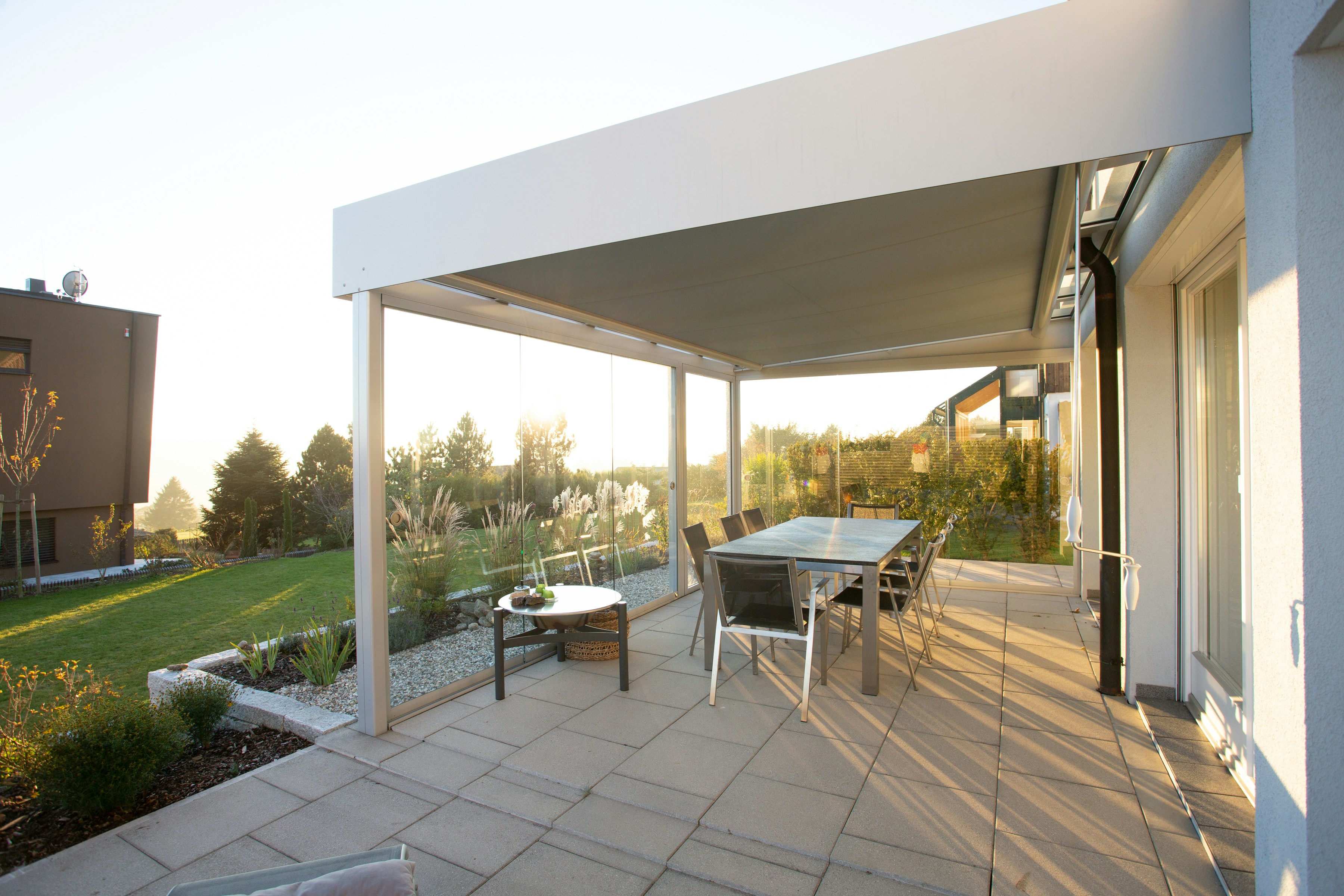
Extensions and loft conversions flood spaces with natural light brilliantly, making rooms feel larger and more welcoming. However, there's a hidden cost to all that glazed roofing. Skylights and roof lanterns essentially function as magnifying glasses, concentrating sunshine into intense heat and blinding glare that can make these rooms unbearable during the summer. Unlike vertical windows, roof glazing receives direct overhead light for extended periods of time, maximising heat gain precisely when you need it least.
Conventional blinds and curtains fail miserably in these applications because the heat is already inside, trapped between the blind and the room. What you need instead are specialised, reflective blinds designed specifically for roof glazing—technology that deflects solar radiation before it converts to thermal energy in your living space. These are engineered solutions that address the unique challenges of overhead glazing and help you maintain a comfortable temperature inside.
Measure your skylights and roof lanterns carefully before investing in high-performance, motorised blinds that you can operate effortlessly with a remote or smartphone app. Close them during peak sun hours to block heat gain, then open again during the cooler evenings to capture natural light and maintain that airy atmosphere you designed the space for.
Whether it’s heated in the winter or cooled in the summer, you’ve paid to condition the air in your home, so you don’t want it escaping because it’s not only lost comfort but also money. Air leaks are one of the most significant sources of energy waste in the home, especially in older period properties, but they’re also one of the most overlooked. Your focus on upgrading appliances or adjusting thermostats is just part of the solution – you first need to tackle these gaps and draughts.
Door and window frames are the most obvious culprit. Weather stripping degrades over time which create gaps where air can escape. However, replacing these worn seals is remarkably cheap and quick to do, eliminating draughts that might cost you hundreds over time. Run your hand along the edge of the door or window on a windy day, if you can feel any cold air, you’ve found the culprit.
Plug sockets, recessed light fixtures and chimney flues are also common problem areas. These spots create direct pathways for air to move around between indoors and outdoors. You can repair these areas with foam gaskets behind socket covers, fire-rated sealant around recessed fixtures, and chimney dampers which may be a slightly higher investment but eliminate significant energy losses and will make your home warmer.
Finally, inspect the loft hatch if your home has one. This is perhaps the single largest source of air leakage in homes and a frequently overlooked access point which tends to lack proper insulation. Adding insulation to the hatch itself and installing weather stripping around the perimeter takes minutes to do, but it can reduce considerable heat loss.
These simple but effective strategies are some of the smartest investments you can make in your home's energy efficiency. Unlike expensive renovations or full system replacements, these improvements deliver immediate results with little more than a modest budget and minimal time. You'll notice the difference in your comfort within days and in your energy bills almost straight away.
Live well with Moving and Improving