Sign up to our newsletter!
No matter if you are moving, or improving, our newsletter is packed with the best tips, tricks and ideas to help you dwell well.

The boxes are unpacked, the keys are on the hook, and you've finally closed the door. Congratulations, you're now the proud owner of your own property. However, while the champagne might still be chilling, the first 90 days in a new home are about far more than just settling in.
This is your golden window of opportunity as a homeowner. This is a critical handover phase where proactive attention can prevent costly structural issues and buyer's remorse down the line. If you’re unsure how to proceed with the right renovations, these tips should inform your first 90 days.
Your first priority isn't choosing paint colours or arranging furniture. It's ensuring your home is safe and checking its essential systems. In the first 24 hours, make sure you locate and label three critical points: the stopcock (usually situated under the kitchen sink or where the water main enters), the shut-off valve for the gas, and the fuse box. Take photos and make sure everyone in the home knows where they are, because they’re your emergency response kit when a pipe bursts at midnight or a circuit overloads.
The next step is carrying out safety checks. Make sure smoke and carbon monoxide detectors are working and replace the batteries even if they seem fine. It’s also a good idea to check when the boiler was last serviced and booking in a check with a qualified engineer if it’s been more than 12 months. A faulty boiler is certainly an inconvenience, but more than that, it could invalidate your insurance if it’s known to be defective and could also be a carbon monoxide risk.
Finally, venture into the loft. Yes, it's dusty and awkward, but this hidden space reveals secrets about your property that shouldn’t be overlooked. Check for water stains on the underside of the roof, signs of pests, or inadequate insulation, all of which can and should be rectified straight away. Catching a slow roof leak in month one might cost hundreds but discovering it years later, when it's rotted the joists, could cost thousands.
Most homeowners file their survey report away the moment their solicitor confirms completion, but that's like buying a car and never opening the manual. At this stage of home ownership, your goal is to triage the findings from the report, so they’re actioned according to how important and necessary they are. Knowing how to interpret your results and decide on the next steps, as outlined in this guide by CWH Surveyors LLP, will give you the perfect roadmap for repairs and tasks that require urgent attention.
Start by highlighting every Level 3 item. These are your non-negotiables, covering issues like structural movement, missing roof tiles, faulty electrics, or damp penetration which are urgent and could compromise the safety and stability of your home. Next, move to Level 2 items and assess which problems could escalate if they’re ignored too long. A slightly worn roof that might last another five years becomes urgent if you're planning an extension that requires building control approval, for example.
Don't let technical jargon paralyse you into indecision. Terms like "spalling brickwork" or "thermal bridging" sound intimidating, but now is the time to research them so you know what you’re dealing with. Month two is also a perfect time to start gathering quotes for those urgent projects, making sure you get at least three quotes from certified contractors for each major issue. Even if you can’t afford every repair immediately, knowing the costs will help you plan properly.
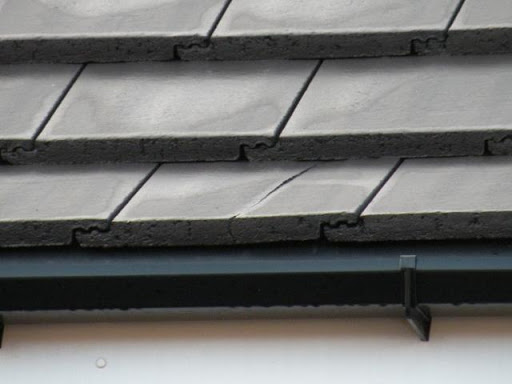
Hopefully by month three, you’ve handled the urgent tasks or at least got contractors booked in for them, so now it’s time to think about your home’s defences against the elements. In the autumn and winter, the likes of blocked guttering and drains can pose a big problem, so it’s best to deal with them before they’re needed. Clean out any debris, moss and leaves that have filled up gutters and downpipes, so they don’t overflow.
Checking window seals and around exterior doors will help you identify any draughty spots that can be repaired quickly and cheaply, but will help you save money on utility costs and prevent heat from escaping over the coming years.
The first three months are some of the most exciting for any homeowner. It's time to make the home yours and put your own stamp on each room. However, it’s also a critical time for taking control of your investment.
Treat this time as an opportunity to carry out safety checks, use your survey as a living document rather than a forgotten formality to inform your repairs and upgrades, and prepare for seasonal challenges ahead. For most people, the home is their largest asset, so using these precious initial weeks wisely will protect it properly.
Live well with Moving and Improving