Sign up to our newsletter!
No matter if you are moving, or improving, our newsletter is packed with the best tips, tricks and ideas to help you dwell well.

Over the last decade, a surge in domestic property equity has turned what was once a 'one day' pipe dream into a very real relocation plan for a new life in the Mediterranean. Rising house prices across the UK have given many the financial firepower to consider something once reserved for the wealthy: a luxurious villa in Spain.
However, the most dangerous trap facing relocating buyers is actually a psychological one. Having navigated the complexities of the British property market, with its solicitors, surveys, and tightly regulated exchange process, many buyers arrive in Spain with a confidence that the system will feel broadly familiar. This false sense of security leads buyers to underestimate legal processes that work in a completely different way, exposing them to financial risks that they wouldn’t come up against at home.
In the UK, buyers benefit from one of the most structured survey frameworks in the world. The Royal Institution of Chartered Surveyors (RICS) provides a tiered system of property inspection, from the Level 2 HomeBuyer Report through to the Level 3 Building Survey, which gives you a much deeper look at the structural integrity and condition of an older property. These reports provide buyers with a credible, professionally accountable analysis of the property before any money changes hands. It’s an added layer of protection when it’s most needed.
Spain operates on a different principle. The Spanish property market is largely governed by a combination of national, regional, and local regulations, along with significant influences from foreign capital and bank lending policies. Many buyers, particularly those purchasing resale properties, complete a sale without any independent structural assessment whatsoever.
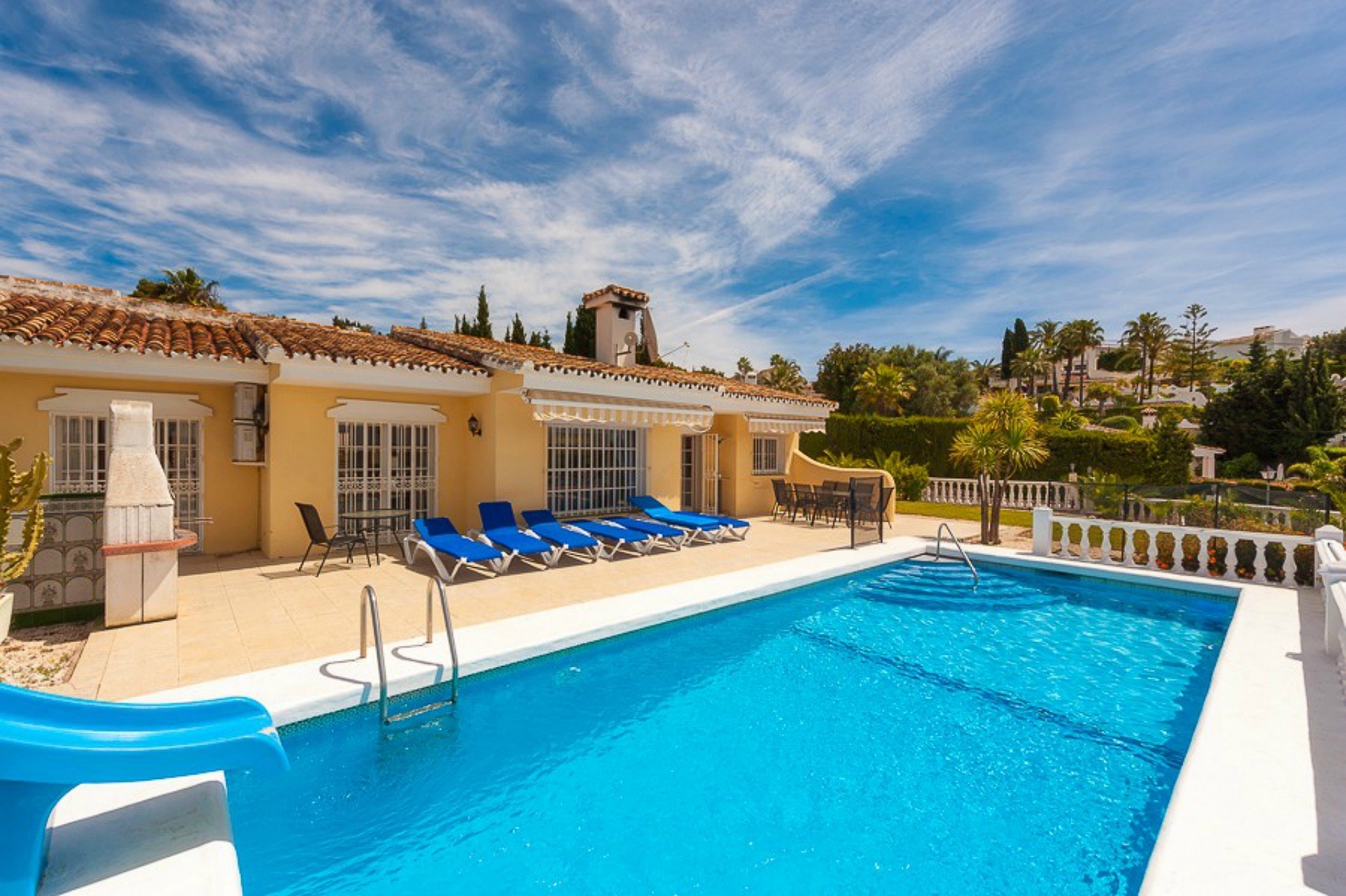
The risk this creates is substantial. Different building regulations and warmer climates that accelerate material fatigue in different ways to the UK mean that problems identified after purchase can require costly repairs. What appears cosmetic could well be concealing structural failure, and without a survey, you have no safety net.
Getting the paperwork right and understanding those nuanced building standards isn't something you want to leave to chance. It really does pay to have experts in your corner who know the Spanish landscape inside out. For anyone starting this journey, the team at Promas Estates has put together a brilliant essential guide for UK buyers that walks you through the entire due diligence process before you commit to a single euro.
We all know that buying a home in the UK is a marathon, not a sprint. It’s a lengthy, solicitor-led process that involves searches, enquiries, exchange of contracts, and finally the completion. However, while the pace is slow, it also gives both parties plenty of chances to step in if something isn't right.
In Spain, the equivalent process is the Escritura, a notarised public deed signed before a Spanish Notary. This process can feel deceptively streamlined. Both parties appear, documents are signed, and the ownership transfers. However, the Notary’s role is to verify the transaction, not to protect the buyer. This means that you need to carry out your own legal due diligence, and well in advance.
There are several liabilities that are unique to the Spanish property system and could be entirely overlooked by an unprepared buyer. Off-plan purchases carry a risk that most UK buyers associate with distant markets, such as developers going insolvent mid-build, promised amenities never delivered, or completion dates ignored completely. More surprisingly, regional community debts and unpaid taxes can actually attach to a property rather than to the previous owner.
UK buyers sometimes treat missing documentation as a minor inconvenience, comparable to an absent FENSA certificate for a replaced window. However, in Spain, the absence of a building licence (the Licencia de Primera Ocupación) is an entirely different problem. A property without this licence is often technically illegal, non-mortgageable and, in extreme cases, subject to demolition orders. It’s a legal prerequisite that no purchase should proceed without.
As a UK buyer, you’re likely well-versed in the transaction costs that come with a move, including stamp duty, legal fees and survey costs. These tend to account for 3-7% of your total costs but can reach 10% in some cases. With a Spanish purchase, you need to budget for more, often in the region of 10-15% of your total acquisition costs. These extra costs cover everything from Property Transfer Tax (which depends on which part of Spain you've fallen in love with) to VAT and stamp duty if you're buying a brand-new home. Then there are the smaller but essential bits: notary and land registry fees, along with the costs for your legal team and gestoria (your administrative helping hand).
Naturally, on top of these costs, you need to factor in exchange rate fluctuations that can vary between the time your offer is accepted and when the funds need to be transferred, meaning the real cost of the purchase might be significantly different to what you originally planned. It’s recommended to work with a specialist currency broker like Currencies Direct, who can utilise contracts and rate-lock mechanisms to preserve your equity and avoid the risks of market volatility.
The long-coveted Mediterranean lifestyle is genuinely achievable for UK buyers who’ve built meaningful equity. The financial foundations are usually solid; what often needs adjustment is the risk mindset. The Spanish property market rewards preparation. Buyers who approach it as though it operates like the UK system, regulated, surveyor-led, and legally protective by default, will encounter surprises that range from costly to catastrophic. The dream of a Spanish property is absolutely worth pursuing, but only if you pursue it with the right professionals beside you.
Annie Button is a UK-based freelance writer specialising in property, sustainable living and well-being. Her work explores practical, realistic ways to create greener, healthier homes amid the realities of fast-paced modern living. A keen photographer, she has a particular interest in promoting positive lifestyle choices, one step at a time. 
Live well with Moving and Improving