Sign up to our newsletter!
No matter if you are moving, or improving, our newsletter is packed with the best tips, tricks and ideas to help you dwell well.

The garden office boom has fundamentally changed how we think about outbuildings. At one point, garden sheds were reserved for lawnmowers and rusty garden tools, and now, many homeowners look at their outdoor space and see something far more ambitious.
A proper room. An extension of their lifestyle. A building that earns its place on the plot.
But as home offices were trendy a few years ago, a new wave of garden buildings is emerging that encompasses far more. These bespoke lifestyle buildings are designed for both productivity and passion, and the range of what they can be is far more than most homeowners realise.
The term 'garden room' covers a lot of ground. Functionally speaking, it can refer to an insulated building with a power supply that can be used all year-round. From a more luxurious standpoint, it can describe a purpose-built structure with custom dimensions, specialist flooring, integrated wireless or fibre optic technology, and premium interiors that complement your existing home decor. As we've explored in our guide to functional upgrades for outdoor spaces, garden rooms have become some of the most versatile additions a homeowner can make to their property.
The main driver behind the lifestyle cabin is the realisation that these structures can be designed around almost any active pursuit. However, we are seeing a distinct shift in the market. While home gyms, yoga studios, and garden bars have become the "standard" luxury upgrades, a new tier of hyper-specialised outbuildings is emerging.
These aren't just multi-purpose shells; they are "lifestyle-first" builds where the architecture is dictated by the equipment and the experience. The common thread here is precision, a level of methodical planning that off-the-shelf products simply cannot provide.
To exemplify just how sophisticated these rooms have become, consider the rise of the dedicated year-round golf simulator. This is no longer just a room with a screen; it is a high-performance environment that must be crafted from the ground up.
As the complete design guide from Golf Swing Systems emphasises, a professional-grade practice space requires technical considerations that go far beyond standard DIY limits. A safe, comfortable swing motion demands specific minimum ceiling heights and widths, while the tech itself requires glare-eliminating lighting and a robust power infrastructure to support real-time tracking and pro-level data analysis. When a hobby requires this much accuracy, the building's dimensions are informed by the swing, not the other way around.
The creative possibilities for such technical immersion don’t stop there. A bespoke garden room can also be the perfect blank canvas for a home cinema setup. As Custom Controls note in their cinema retrofit guide, building from scratch allows for professional-level acoustics, frequency mapping, and specific insulation that wouldn't be possible in a standard internal room conversion.
This illustrates the true potential of the modern garden building. It is no longer about finding "somewhere to put things", it is about creating a dedicated, high-spec sanctuary for the things you love most.
One of the most common questions homeowners ask before commissioning a lifestyle cabin is whether they need planning permission. In most cases in England, garden outbuildings fall under Permitted Development rights, meaning no formal application is required, provided the build stays within certain parameters.
The key aspects to keep in mind are:
Be mindful that homes in conservation areas, listed buildings, and some new-build estates may have Permitted Development rights restricted or removed entirely. It is always worth checking with your local planning authority before work begins. The responsibility ultimately sits with the homeowner.
Building regulations are a separate consideration. Even where planning permission is not required, any electrical installation must comply with Part P regulations and be carried out by a qualified electrician. If the building is over 15 square metres and within 1 metre of a boundary, it must also be constructed from non-combustible materials.
For larger, more ambitious projects, a conversation with a structural engineer or architect at the planning stage can save significant time and cost further down the line. The team at Moving and Improving can connect you with qualified architectural professionals who understand the full scope of outbuilding projects.
The impact of a garden building on property value is not guaranteed, but evidence suggests that a well-designed, thoughtfully positioned outbuilding is viewed positively by most buyers. As reported by Green Retreats, a high-quality, fully insulated garden room can add between 5% and 15% to a property’s value.
Estate agents consistently report that a high-quality garden room is seen as a practical bonus and value-adding feature.
Highly specific fit-outs such as the examples listed above will undoubtedly add value to homeowners, as well as for buyers who share the same interest(s). However, for buyers who are indifferent to, for example, a golf simulator room or home cinema, they may be less enticed. One way to overcome this is to design the cabin with resale flexibility in mind, even if the initial fit-out is specific and suitable for you.
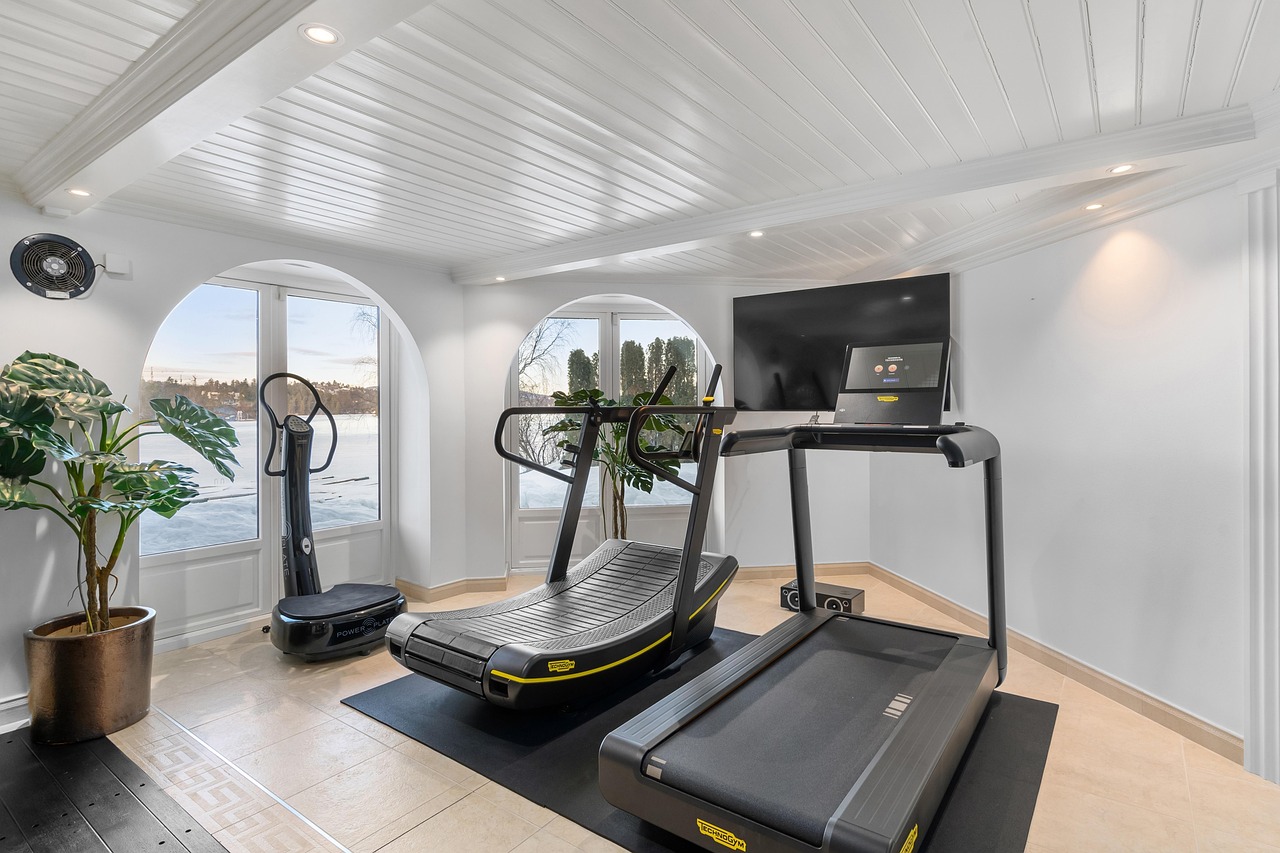
A well-built, stable, and spacious timber building with solid electrics and reliable connectivity can be repurposed over its lifetime, which may prove difficult if the fit-out has become structurally integrated into the building itself. This is worth considering at the design stage.
Whether you are improving a property you plan to sell or investing in a space you intend to use for years, the starting point is to use a clear brief, a realistic budget, and a design that reflects how the space will be used, and potentially how it can be repurposed to a new buyer in the future. Bespoke lifestyle cabins represent an interesting and thought-provoking area of home improvements currently; the best results come from treating them with the same level of rigour as any other home refurbishment or building project.
Annie Button is a UK-based freelance writer specialising in property, sustainable living and well-being. Her work explores practical, realistic ways to create greener, healthier homes amid the realities of fast-paced modern living. A keen photographer, she has a particular interest in promoting positive lifestyle choices, one step at a time.

Live well with Moving and Improving